
Photoluminescence vs Electroluminescence in Solar Farm Inspections: A Comparative Analysis
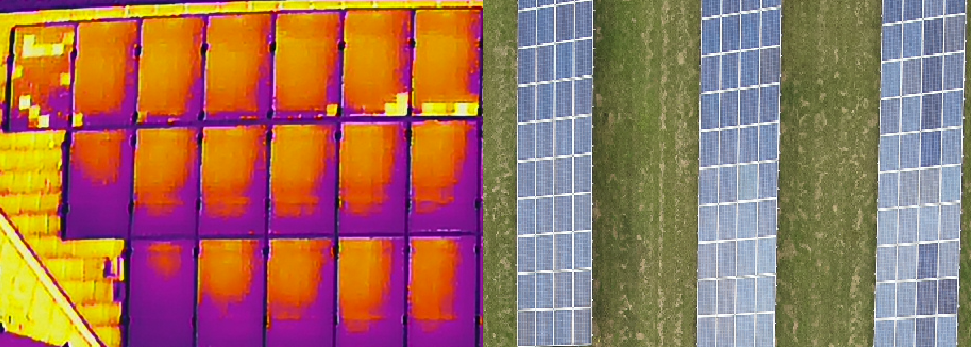
In the fast-evolving field of solar farm inspections, understanding the differences between photoluminescence (PL) and electroluminescence (EL) is crucial for optimising solar panel performance and longevity. Both techniques play a significant role in detecting defects and ensuring the efficiency of solar farms, but they serve different purposes and have unique advantages. This article delves into the key differences between photoluminescence and electroluminescence in solar farm inspections, helping you make an informed decision on the best method for your solar energy project.
What is Photoluminescence (PL)?
Photoluminescence is a non-invasive testing method used to inspect the quality of solar cells and modules. This technique involves shining a light source, typically in the ultraviolet (UV) to near-infrared (NIR) range, onto the solar cells. The cells then emit light, or photoluminesce, which is captured by specialised cameras. The emitted light provides valuable information about the electronic structure and defect levels within the solar cells.
What is Electroluminescence (EL)?
Electroluminescence, on the other hand, involves applying an electrical current to the solar cells, causing them to emit light in response. This method is particularly effective in identifying micro-cracks, shunts, and other physical defects that are not always visible through traditional visual inspections. Electroluminescence imaging is often performed in a dark environment, allowing the emitted light to reveal the internal structure of the solar cells in great detail.
Key Differences Between Photoluminescence and Electroluminescence
- Inspection Methodology:
- Photoluminescence: Utilises external light sources to excite the solar cells.
- Electroluminescence: Requires an electrical current to induce light emission from the cells.
- Application:
- Photoluminescence: Best suited for lab-based material characterisation and quality control during the manufacturing process.
- Electroluminescence: More effective in field inspections for detecting physical defects like micro-cracks, potential-induced degradation (PID), and shunting.
- Sensitivity:
- Photoluminescence: Highly sensitive to electronic properties, making it ideal for detecting subtle material defects.
- Electroluminescence: Provides high-resolution images that clearly show structural and physical defects, which could lead to long-term efficiency losses.
- Environment:
- Photoluminescence: Can be performed in ambient light conditions.
- Electroluminescence: Typically requires a dark environment for optimal imaging results.
Which Method is Better for Solar Farm Inspections?
The choice between photoluminescence and electroluminescence depends on the specific requirements of the solar farm inspection. For comprehensive field inspections focusing on physical defects and performance degradation, electroluminescence is generally preferred due to its ability to detect micro-cracks and other hidden faults. Photoluminescence, however, is invaluable in the manufacturing process and in situations where detailed electronic property analysis is needed.
Conclusion
Both photoluminescence and electroluminescence offer unique benefits in the context of solar farm inspections. Understanding their differences and applications can help solar farm operators choose the most appropriate technique for maintaining and improving the efficiency of their solar energy systems. Whether you’re conducting routine maintenance or a detailed inspection, selecting the right method can lead to better performance, longer lifespan, and higher return on investment for your solar farm.
For expert solar farm inspections using the latest in PL and EL technology, contact Adrone Ltd today to ensure your solar energy assets are performing at their best.
Keywords: Photoluminescence, Electroluminescence, Solar Farm Inspections, Solar Energy, Solar Panel Efficiency, Solar Cell Defects, Micro-Cracks, Solar Module Performance, Solar Farm Maintenance, PL vs EL in Solar Inspection.


wow!! 100High-Flying Solution: Drone Inspections Vital for Solar Farms!